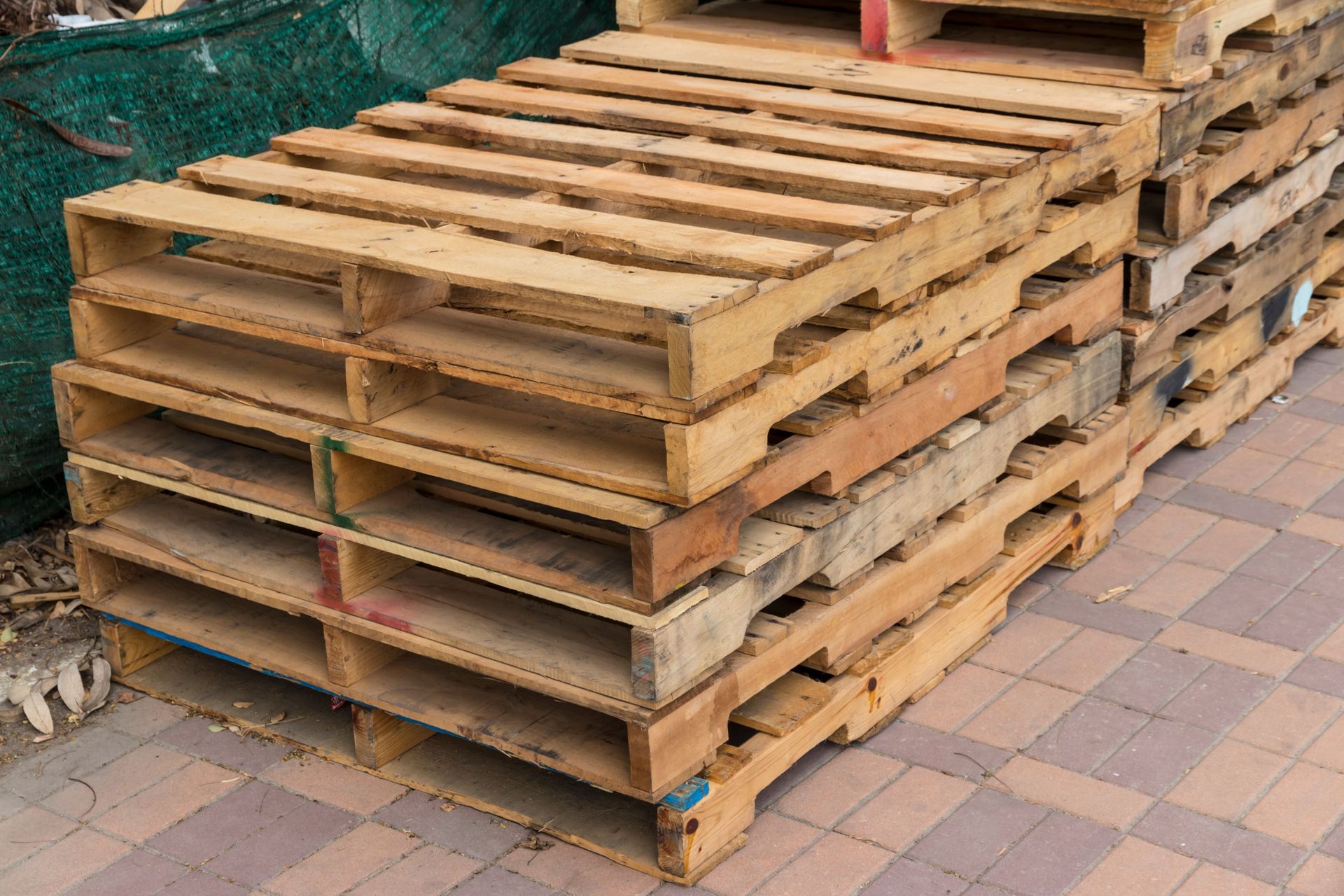
3 Questions for Wood Pallet Experts
Wood pallets play a crucial role in the logistics and shipping industries, providing a durable and cost-effective way to transport goods. As markets evolve and supply chain demands grow, understanding the nuances of wood pallets becomes more important. In this article, we will explore some of the most pressing questions that wood pallet experts are frequently asked.
1. What Are the Most Common Types of Wood Used for Pallets?
Hardwoods vs. Softwoods
Hardwoods and softwoods are both integral to pallet construction, each offering unique advantages. Hardwoods, such as oak and maple, are valued for their strength and durability, permitting them to handle heavy loads over long distances. However, the cost of hardwood is significantly higher, which can impact the economics of pallet production. On the other hand, softwoods like pine are not as robust as their hardwood counterparts but offer a more economical alternative without compromising too much on function. The choice between hardwood and softwood often depends on the specific requirements of shipping and budget constraints.
Why Pine is a Popular Choice
Pine is a popular choice for wooden pallets due to its wide availability and workability. This softwood is easy to machine and treat, which streamlines the construction process while keeping costs manageable. Its availability across several regions also reduces transportation and procurement costs, making it a favorite in many sectors. Pines provide an optimal balance between cost, availability, and basic performance characteristics. This balance has made them a staple in the industry, especially for less demanding shipping needs.
Impact of Wood Type on Pallet Recycling
The type of wood used in pallets significantly affects recyclability and the ease of waste management. Hardwoods, while durable, can pose challenges in recycling due to their density and the difficulty of breaking them down. Softwoods tend to be more recycled-friendly, given their lighter and more fibrous nature, facilitating easier fragmentation and material recovery. Recycling processes are crucial for sustainable practices and, often, affect the lifecycle costs of the pallets, especially considering the environmental regulations many countries impose. Companies increasingly consider the recyclability of the wood type when selecting materials to mitigate costs associated with disposal.
Treatment Methods for Different Woods
Various treatment methods are employed to enhance the usability and longevity of wood pallets under different storage and transportation conditions. Heat treatment and chemical preservatives are commonly used to prevent pest infestations and decay, ensuring compliance with international phytosanitary standards. Hardwood and softwood both require different treatment processes due to their intrinsic characteristics. For example, heat treatment is standard for most pallets, effectively removing moisture that can cause warping and infestation. Treatments are also vital in ensuring pallets can withstand diverse environments, whether used for indoor storage or cross-continental shipments.
2. What Are the Standard Dimensions for Wood Pallets?
North American Standards
In North America, the most common pallet size is the GMA (Grocery Manufacturers Association) or 48 by 40 inches, according to Virginia Tech. This constitutes the majority of pallets used. This size is widely accepted due to its compatibility with retail and warehouse settings, facilitating smooth transport and storage operations. The ubiquity of this dimension is supported by logistical and economic considerations, making it the preferred option in industries ranging from food to manufacturing. Standard dimensions help optimize loading efficiency for shipping containers and trucks, reducing shipping costs. The consistency also aids in inventory management and warehouse layout planning.
Custom vs. Standard Pallet Sizes
While standard pallet sizes are dominant, many industries require custom pallet solutions to meet unique shipping and storage needs. Custom pallets are tailored to accommodate unusual product dimensions, weight distributions, or specific handling requirements that cannot be efficiently served by standard sizes. Although creating custom pallets can be costlier, the expense can be justified by optimizing load configurations and minimizing product damage during transit. Additionally, custom pallets often incorporate unique features such as specialized coatings or reinforcements to bolster performance. Regardless, the choice between standard and custom pallets balances between cost, convenience, and necessity.
Impact on Shipping and Storage
The size and dimensions of pallets have a direct effect on shipping logistics and storage capacities, influencing costs and efficiency. Standard-sized pallets can facilitate quicker loading and offloading, seamlessly integrating into existing warehousing systems and transportation networks. The predictability of pallet sizes aids in maximizing space utilization within storage facilities, ultimately reducing overhead storage costs. Conversely, non-standard sizes may lead to inefficiencies, requiring custom racking solutions and adjustments to existing logistics chains. By understanding these impacts, businesses can make strategic decisions that enhance their supply chain effectiveness and operational flexibility.
Adaptation to Pallet Innovations
Recent innovations in pallet sizing and design have sought to address evolving logistics demands and environmental considerations. Companies are experimenting with modular designs that allow for adaptable configurations, improving distribution efficiency and storage optimization. Innovations also extend to materials, with efforts centering on creating lighter yet durable options to decrease shipping weight and associated carbon footprints. As technology advances, integrating smart systems into pallet design provides real-time data tracking, temperature monitoring, and condition assessment features. These advancements highlight the dynamic nature of pallet technologies, positioning them as active participants in the logistics ecosystem.
3. How Are Wood Pallets Manufactured?
Selection of Raw Materials
The selection of raw materials is a foundational step in the manufacturing of wood pallets, determining their quality and lifespan. Sourcing robust, sustainably grown timber is crucial, as it affects both the strength and the environmental footprint of the pallets. Factors such as wood grain, moisture content, and fiber density are assessed to ensure suitability for construction. Sourcing agreements often include sustainability clauses, ensuring wood is procured responsibly to mitigate environmental impact. Ultimately, the choice of raw materials influences both functional performance and compliance with international manufacturing standards.
Cutting and Assembling Process
Following material selection, the cutting and assembling processes transform raw wood into functional pallets. Initially, logs are debarked and cut to specified dimensions, forming the stringers and deck boards that make up a standard pallet. Advancements in machinery have made these processes more precise and efficient, significantly reducing production times. Assembling involves fitting and nailing these components to form a cohesive structure, engineered to support various weights under different conditions. Attention to detail in these processes ensures the durability and longevity of the pallets, meeting both industry requirements and consumer expectations.
Automation vs. Manual Processes
The debate between automation and manual labor in pallet production centers upon efficiency and quality. Automation streamlines the production process, enabling faster output with consistent precision, which is critical for high-volume operations. However, manual finishing is sometimes favored for custom, high-end pallets, where craftsmanship and detailed attention are paramount. The choice depends on the scale and specific needs of the production facility, with many manufacturers opting for a hybrid approach. Automation also supports data integration through intelligent systems, enhancing tracking and quality assurance measures.
Quality Control Measures
Quality control is a critical component in the pallet manufacturing process to ensure end products meet required standards and customer expectations. Inspections often include checking measurements, verifying load-bearing capacities, and ensuring the adherence to treatment standards. Technological integration allows for automated quality checks through vision systems, providing real-time feedback and minimizing errors. These comprehensive measures reduce the risk of pallet failure, which could result in costly product damages or logistical inefficiencies. Consistent quality control processes solidify trust among clients and reaffirm a manufacturer's reputation for reliability.
If your business needs quality wood pallets as part of your supply chain or storage operations, reach out to Kryder Wood Products today!